Skip to content


- Blog
- Commitment Management
- Cloudability Savings Automation (Cloudwiry) vs nOps
Cloudability Savings Automation (Cloudwiry) vs nOps
Reserved Instances and Savings Plans promise significant discounts — up to 72% off on-demand pricing. But capturing those savings manually is a monthly guessing game: commit too much and you pay for unused capacity, commit too little and you leave money on the table.
Automated commitment management platforms solve this problem by continuously adjusting your commitments to match actual usage patterns. Two solutions in this space are Cloudability Savings Automation (formerly known as Cloudwiry, part of IBM’s Apptio suite) and nOps.
This article compares both approaches to help you choose the right platform for your AWS environment.
What is Cloudability?
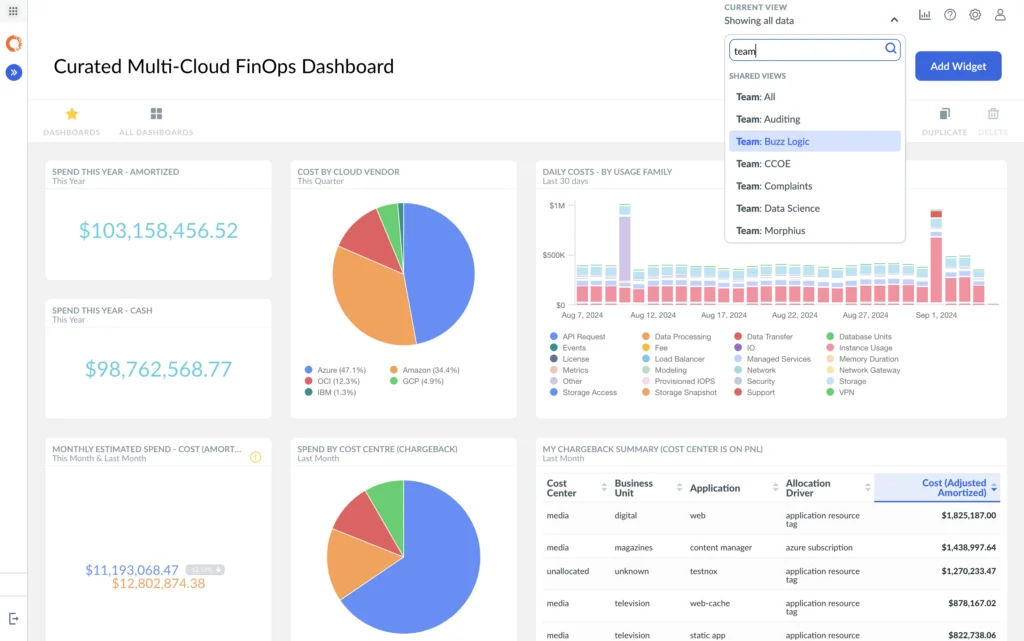
Cloudability is IBM’s comprehensive cloud cost management platform (formerly Apptio Cloudability). Within that broader platform, Cloudability Savings Automation is a specific product focused on automating AWS Reserved Instance and Savings Plan purchases.
Cloudability Savings Automation aims to “run your commitment program on autopilot,” automatically purchasing and managing commitments to maximize discount coverage. The platform integrates with AWS Cost Explorer and AWS Organizations to analyze cloud usage patterns and make commitment purchasing decisions.
What is Cloudwiry?
Cloudability Savings Automation is IBM’s automated commitment optimization solution for AWS. It originated from Cloudwiry, a company Apptio acquired in 2023 to expand its capabilities in automated Reserved Instance and Savings Plan management.
Following the acquisition, Cloudwiry’s technology was integrated into Cloudability and rebranded as Cloudability Savings Automation. As a result, references to “Cloudwiry” typically refer to the earlier product or its underlying technology, rather than a separate, current standalone offering.
In practical terms, Cloudability Savings Automation is the current product, while Cloudwiry represents its legacy foundation.
What is nOps?
nOps is a cloud optimization platform that helps organizations improve cloud savings without taking on the usual complexity and risk of commitments. Its approach is built to solve the core problems teams run into with Savings Plans and Reserved Instances: too much manual analysis, too much long-term lock-in, and too much exposure when workloads change.
Rather than forcing teams to choose between stronger savings and greater flexibility, nOps is designed to help them maintain high discount coverage while reducing operational burden and limiting commitment risk over time. And it is a multi cloud savings automation platform for AWS, Azure and GCP.
Key features of Cloudability/Cloudwiry
Achieving a more efficient cloud infrastructure footprint through cloud commitments is one of the biggest cloud cost challenges today. Cloudability/Cloudwiry were built to help with features like:
Reserved Instance & Savings Plan Automation
Cloudability Savings Automation is designed to take AWS commitment purchasing off your team’s plate. It analyzes usage and manages Savings Plans and Reserved Instances with the goal of keeping coverage high and manual effort low.
Basic Commitment Visibility
It also provides visibility into the basics of commitment performance: how much usage is covered, how well commitments are being utilized, what savings they are generating, and when they expire. That gives teams a working view of commitment efficiency without requiring them to piece the story together manually.
Key features of nOps
nOps is built for teams using AWS, Azure or GCP that want the highest possible incremental cost savings without getting trapped by the usual tradeoff between deeper discounts and more commitment risk.
Savings-First Pricing Model with Zero Risk
Instead of asking customers to accept large long-term lock-in to reach stronger discount rates, nOps is designed to reduce that exposure and remove the usual downside of commitment risk. Customers achieve the same or better discounts while shortening their commitment windows significantly.
nOps uses a savings-first pricing model, so there’s no downside to evaluating it.
Maximize Savings on Autopilot
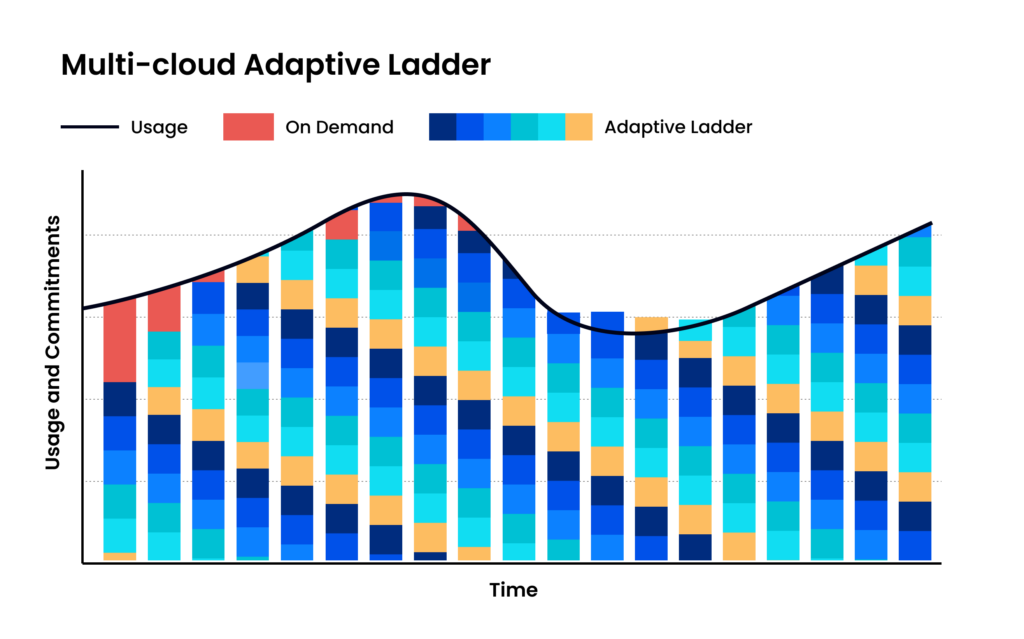
nOps continuously adjusts commitments every hour to match real usage, which helps capture incremental savings that slower optimization approaches miss. That hourly adjustment is a big part of why nOps can drive up to 20% more savings than competing solutions, while still keeping the process automated and hands-off.
Visibility and Cost Allocation
nOps also gives teams a clear view into performance over time, including effective savings rate, net savings, coverage, and commitment levels. And it includes broader cost management features like budgeting, forecasting, anomaly detection, and automated cost allocation across cloud, SaaS, and AI spend.
Pricing of Cloudability/Cloudwiry
Cloudability uses custom, usage-based pricing, which is pretty standard for enterprise FinOps tools — but it also means there’s no simple, transparent number to anchor on. In practice, pricing tends to scale with your cloud spend and the features you use, so costs can range from tens of thousands per year for smaller environments to hundreds of thousands (or more) at enterprise scale.
What’s important is how that pricing model behaves over time. Because Cloudability is typically priced as a percentage of spend or tied to usage tiers, your costs grow as your cloud bill grows. So even if the platform helps you optimize, you’re still paying more as you scale — and in many cases, companies are layering on additional costs for commitment automation tools or cloud services on top of that.
That gap is where a lot of frustration comes from: you’re investing heavily in FinOps tooling, but the core problem — how to get maximum savings without taking on long-term risk — is still yours to solve.
How to choose between Cloudability/Cloudwiry and nOps
Both Cloudability/Cloudwiry and nOps give teams visibility into cloud costs and commitment performance. The bigger difference is what happens after that visibility. Cloudability is built around a more traditional FinOps model of financial reporting and commitment automation, while nOps is built to push savings further while reducing the risk that usually comes with long-term commitments.
If your priority is maximizing realized cloud savings, the commitment model matters more than dashboard breadth. nOps uses hourly optimization to continuously adjust commitments as usage changes, helping teams capture more incremental savings — often up to 20% more than competing solutions — while staying much closer to actual demand.
nOps offers a Free Savings analysis to evaluate your commitments at no cost. Customers have uncovered tens—or even hundreds—of thousands of dollars in additional savings by switching to nOps. Either you’ll validate you’re already perfectly optimized, or you’ll find savings still on the table—free to find out.
Demo
AI-Powered Cost Management Platform
Discover how much you can save in just 10 minutes!
Frequently Asked Questions
Let’s dive into a few FAQ about Cloudability, Cloudwiry, and how they help automate cloud financial instruments.
What is Cloudwiry inc?
Cloudwiry Inc. is a cloud optimization company that helps businesses improve AWS cloud resource visibility, reduce operational costs, and ultimately strengthen business outcomes. The CloudWiry Savings Autopilot tool helps organizations save more, achieving financial and operational excellence.
Did Apptio acquire Cloudwiry?
Yes. Apptio acquired Cloudwiry in 2023 to expand its technology business management offerings and add more AWS operational efficiency and governance capabilities to Cloudability.
Is Cloudability Savings Automation multicloud?
Cloudability Savings Automation primarily focuses on AWS. It helps strengthen cloud savings automation with actions like rightsizing and commitment purchases; it is not a fully multicloud automation platform across providers like Azure and Google Cloud. As customers increasingly rely on multicloud, nOps offers cloud cost optimization across cloud and hybrid environments.

Last Updated: March 18, 2026, Commitment Management
Last Updated: March 18, 2026, Commitment Management